Piazzale San Francesco, 5 – 43121 Parma
info@sanfrancescodelprato.it
santuario@sanfrancescodelprato.it
The Prison That Becomes a Church Again
For centuries, Parma has been a social and spiritual landmark. Even today, through its magnificent works of art and architecture, the city clearly reveals its intrinsic vocation for welcoming the faithful—especially through the Cathedral and the Baptistery, and the whole “system” of Piazza Duomo.
Just a short walk away stands the Church of San Francesco del Prato, whose history goes back eight centuries. The Franciscan friars arrived in Parma around 1220 and immediately settled in the “prato regio.” The first Franciscan generations in Parma gave the Order one of its earliest Ministers General, Blessed Giovanni Buralli, and the author of one of the most interesting historiographical works of the 13th century, Friar Salimbene de Adam. The imposing building in “Franciscan” Gothic style was probably erected over the course of two hundred years, the result of a valuable collaboration between the friars and the local community, faithfully following the canons established by St Bonaventure in the Statutes of Narbonne of 1260. For six hundred years it served as a place of worship, until the crucial Napoleonic edict of 1810, which led to the dissolution of religious orders, the dispersal of the friars, and its conversion into a prison. San Francesco del Prato is, in fact, one of the very few and most significant examples of a church-prison in Europe. It retained this custodial function uninterruptedly until 1970.
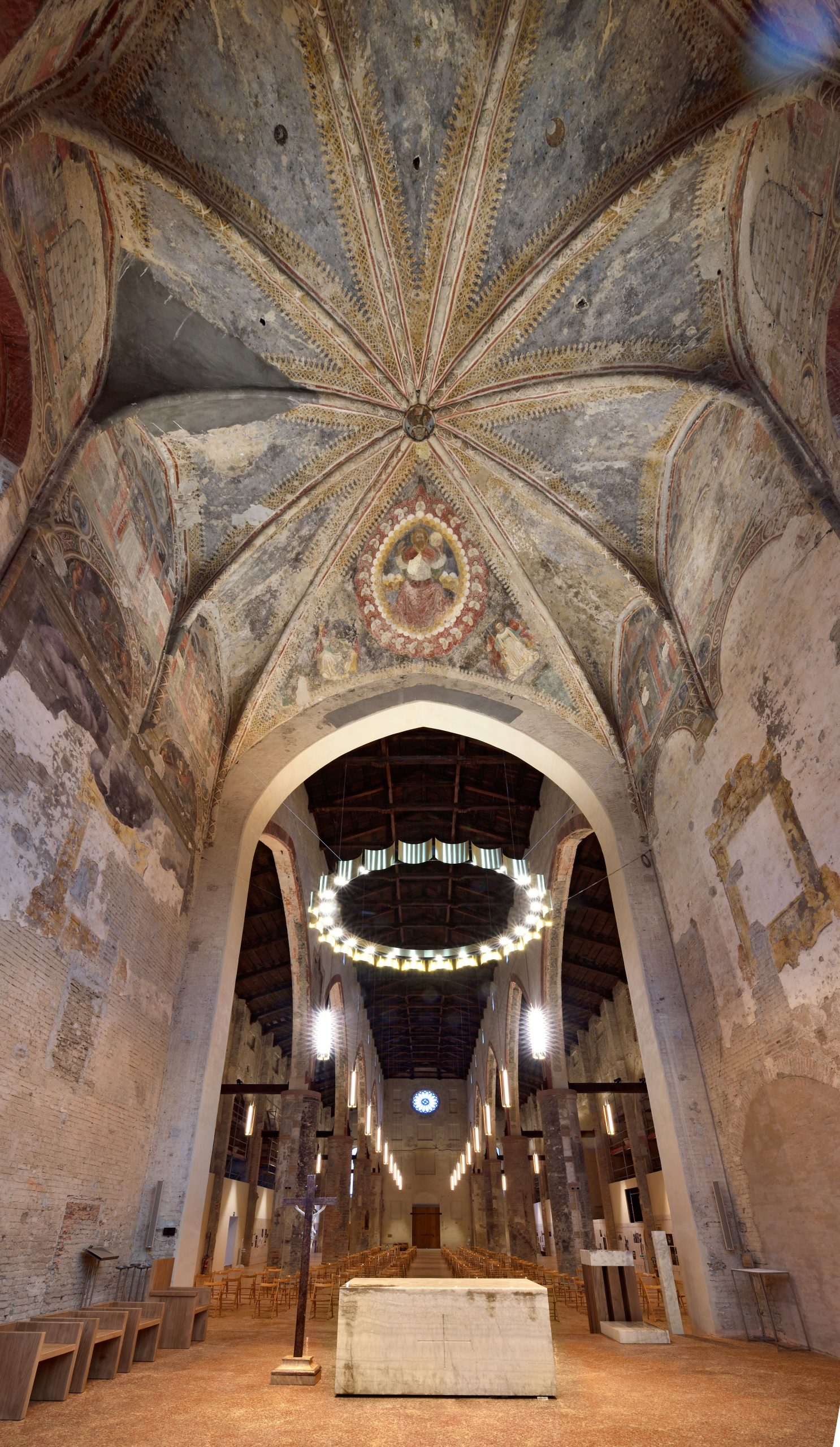
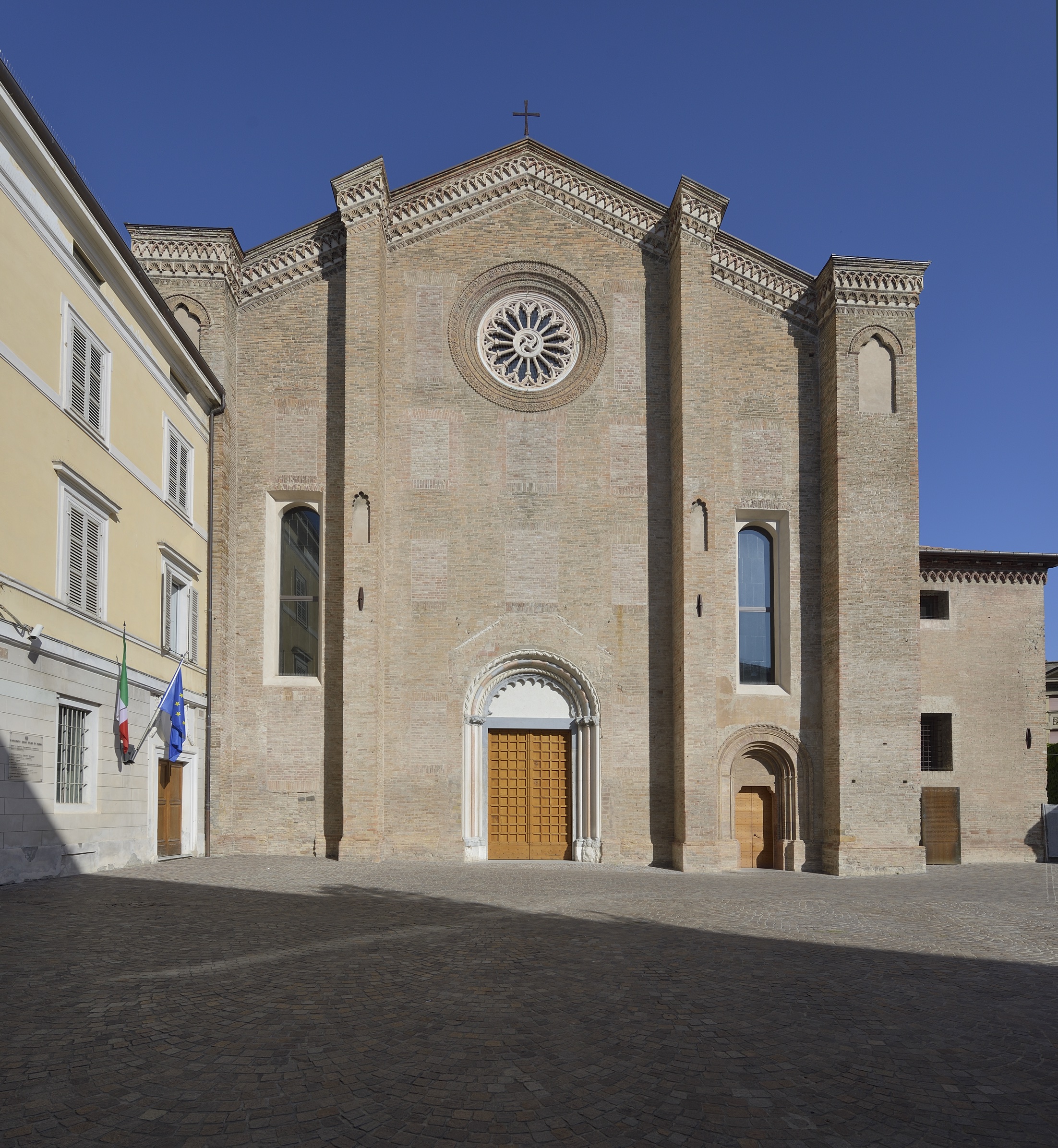
Subsequently, after decades of disuse and deterioration, in 2018 the Diocese obtained the concession to use the building, launching an ambitious restoration project. This intervention made it possible to restore the Church to its original function: on 3 October 2021 it was reconsecrated and reopened as a diocesan shrine “for peace, redemption, and reconciliation.” Entrusted once again to the care of the Conventual Franciscan Friars, they bring it to life as a place of prayer and spirituality, culture and openness, together with a vibrant community of volunteers.
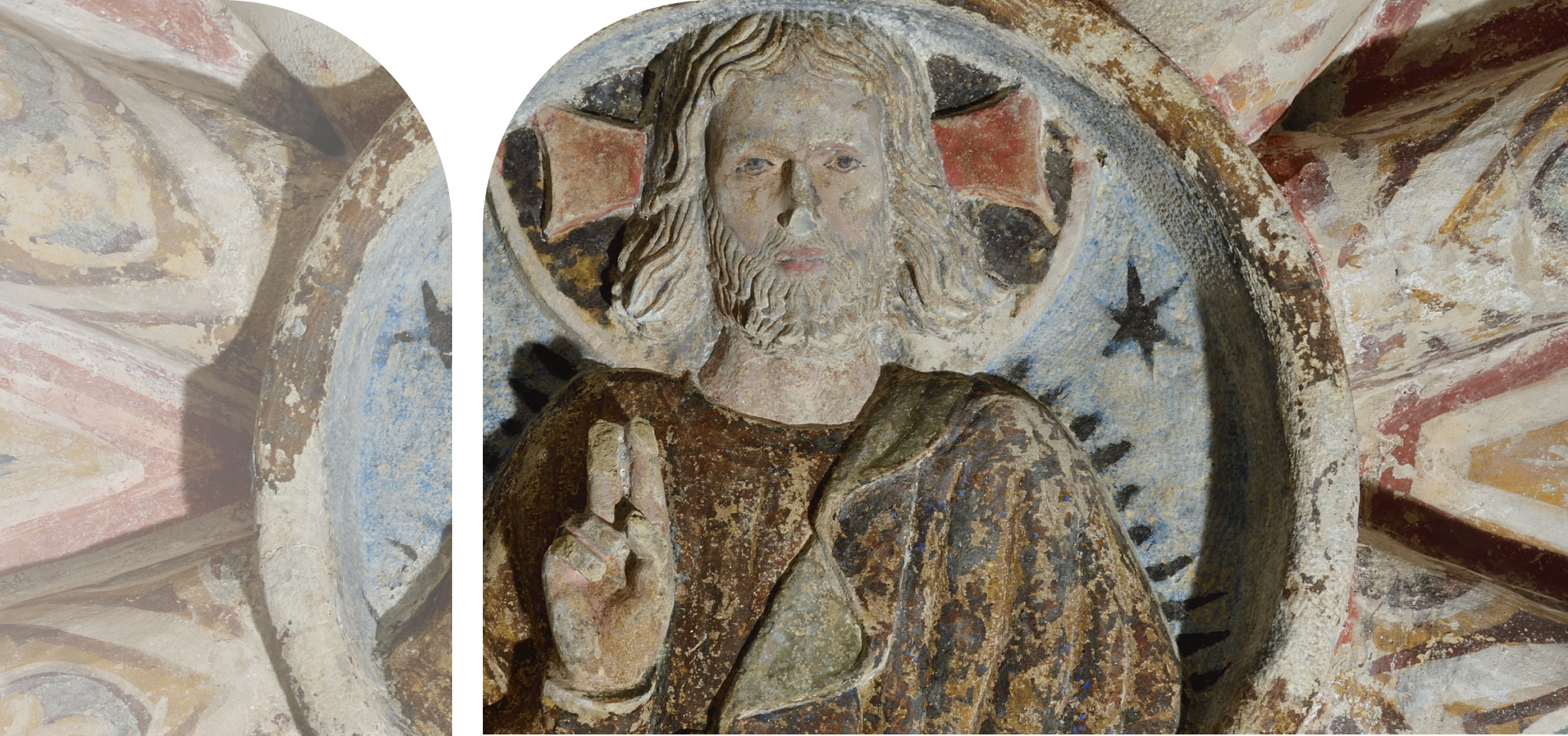
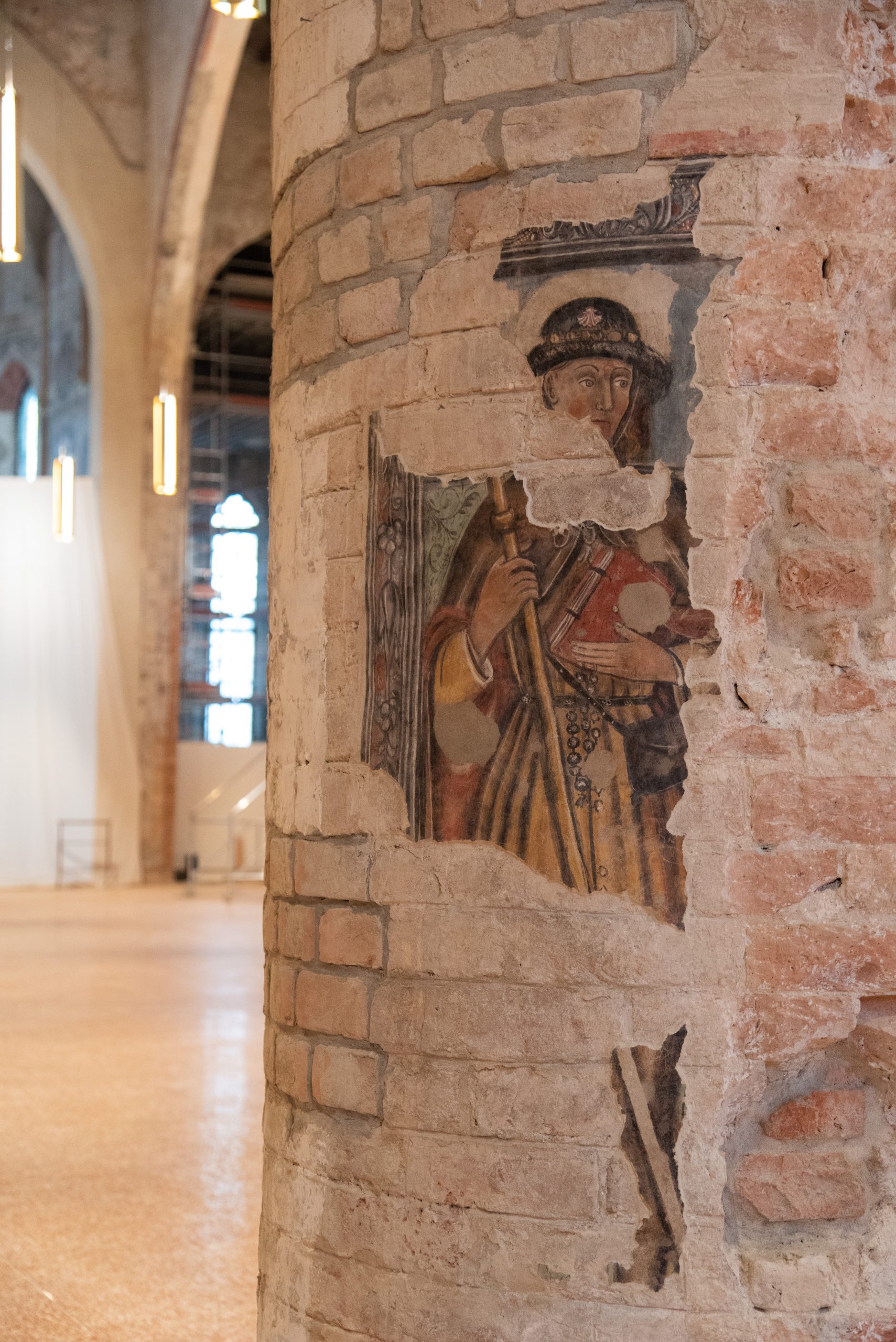
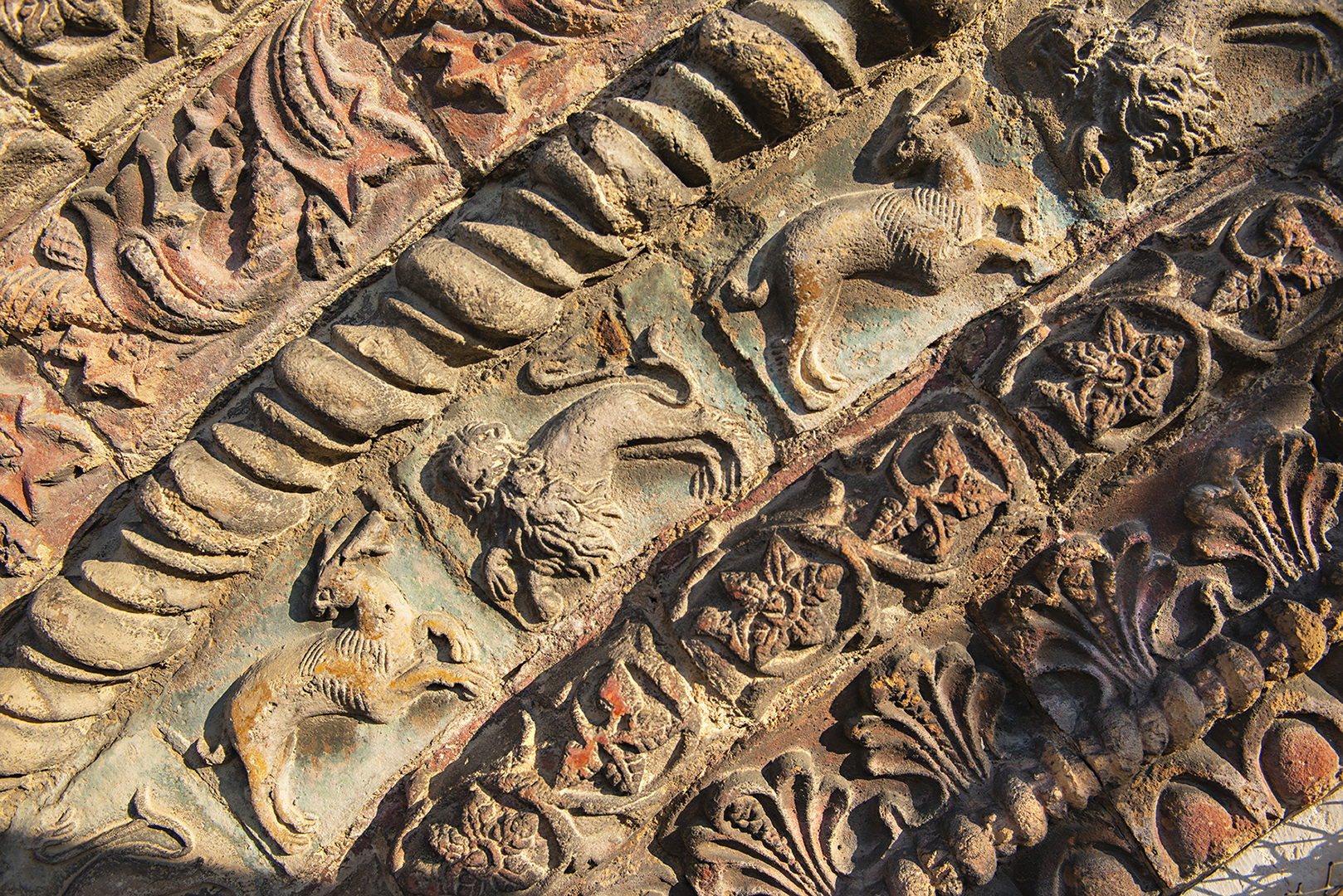
Considered a true Gothic jewel of Parma, the church was begun in the second half of the 13th century. Its architecture is unique. The façade features elegant niches and single-lancet windows, and a magnificent rose window, the work of Alberto da Verona (1461). The interior is spacious and airy: the three long naves, opening onto around twenty chapels, convey the sense of a unified space thanks to the large, slender arches that divide them. The restoration work also brought to light numerous fragments of frescoes that, from the 15th century onward, adorned the apse, the columns, and some areas of the church, offering a precious glimpse into its artistic past.