Piazza del Santo, 11 – 35123 Padova
+39 049 8225652
https://www.santantonio.org/it/content/museo-antoniano-e-donatello-al-santo-0
Sunday–Saturday: 9:00–13:00; 14:00–18:00. Monday closed.
Memory of the Basilica
The Antoniano Museum in Padova is part of the complex of the Basilica and the Convent of Saint Anthony of Padova and is located in the Cloister of Blessed Luca (also known as the Cloister of the Carts or the Infirmary cloister). A first Antoniano Museum was inaugurated in 1895 on the occasion of the seventh centenary of the Saint’s birth, but it was later closed—after various ups and downs—during the Second World War.
In the last decade of the nineteenth century, while the architect Camillo Boito was entrusted with a project to “reorganize” the church’s layout—aimed at restoring it to an alleged original appearance—the Arca di Sant’Antonio (a kind of building and works board for the Basilica) and the community of friars decided to establish the Antoniano Museum. Its collections brought together, on the one hand, decommissioned objects no longer in use—partly deteriorated and no longer suitable for liturgical needs—and, on the other, finds of various kinds, often small paintings, medals, devotional objects, prints and collections gathered by individual friars or donated by benefactors of the Basilica, as well as many other items connected to the widespread cult of Saint Anthony of Padova.
The Antoniano Museum’s first home was located in a set of rooms beneath the Antonian Library, accessible from the nearby Library cloister. This initial museum was later expanded between the two World Wars thanks to the creation of a section dedicated to liturgical textiles.
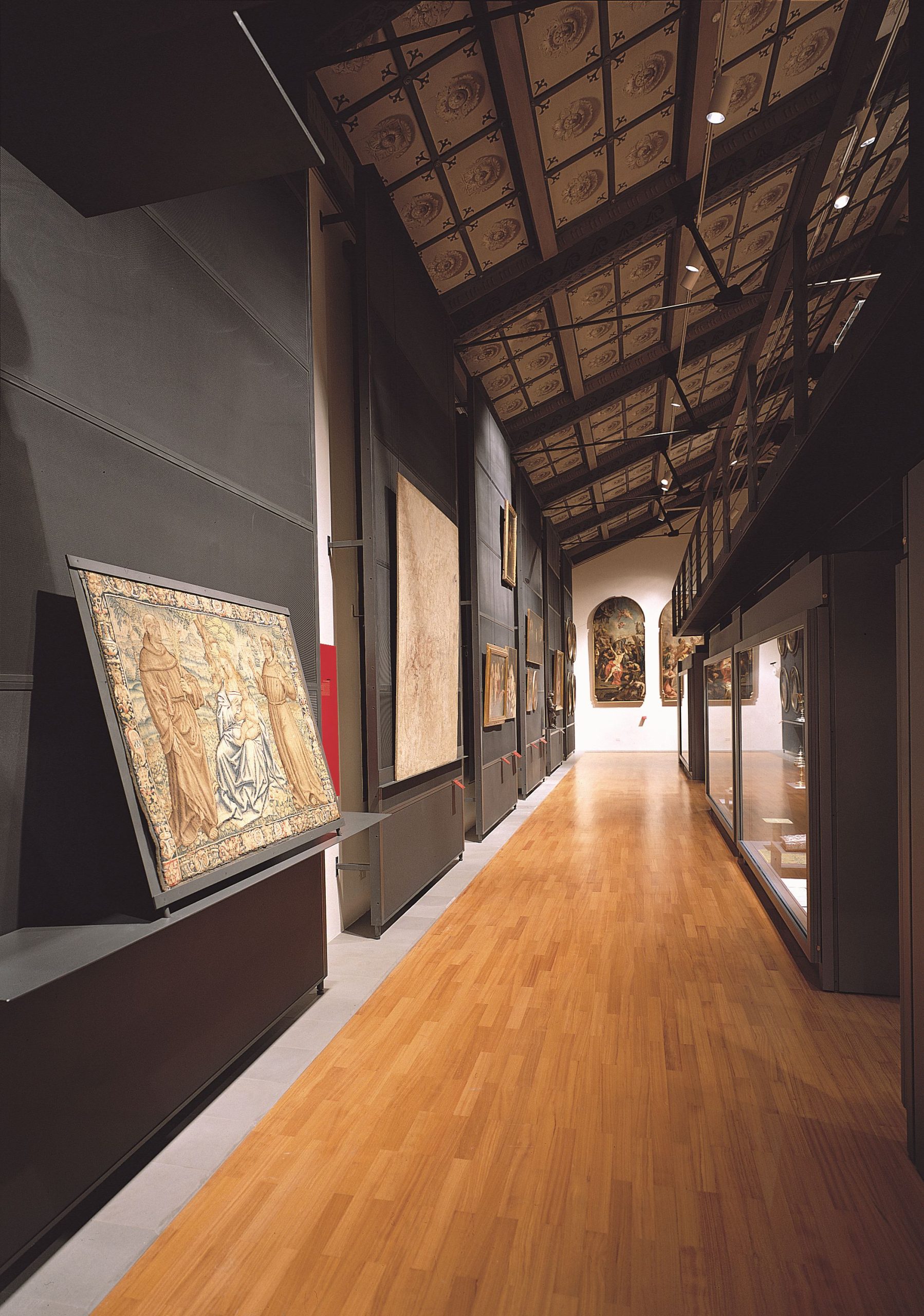
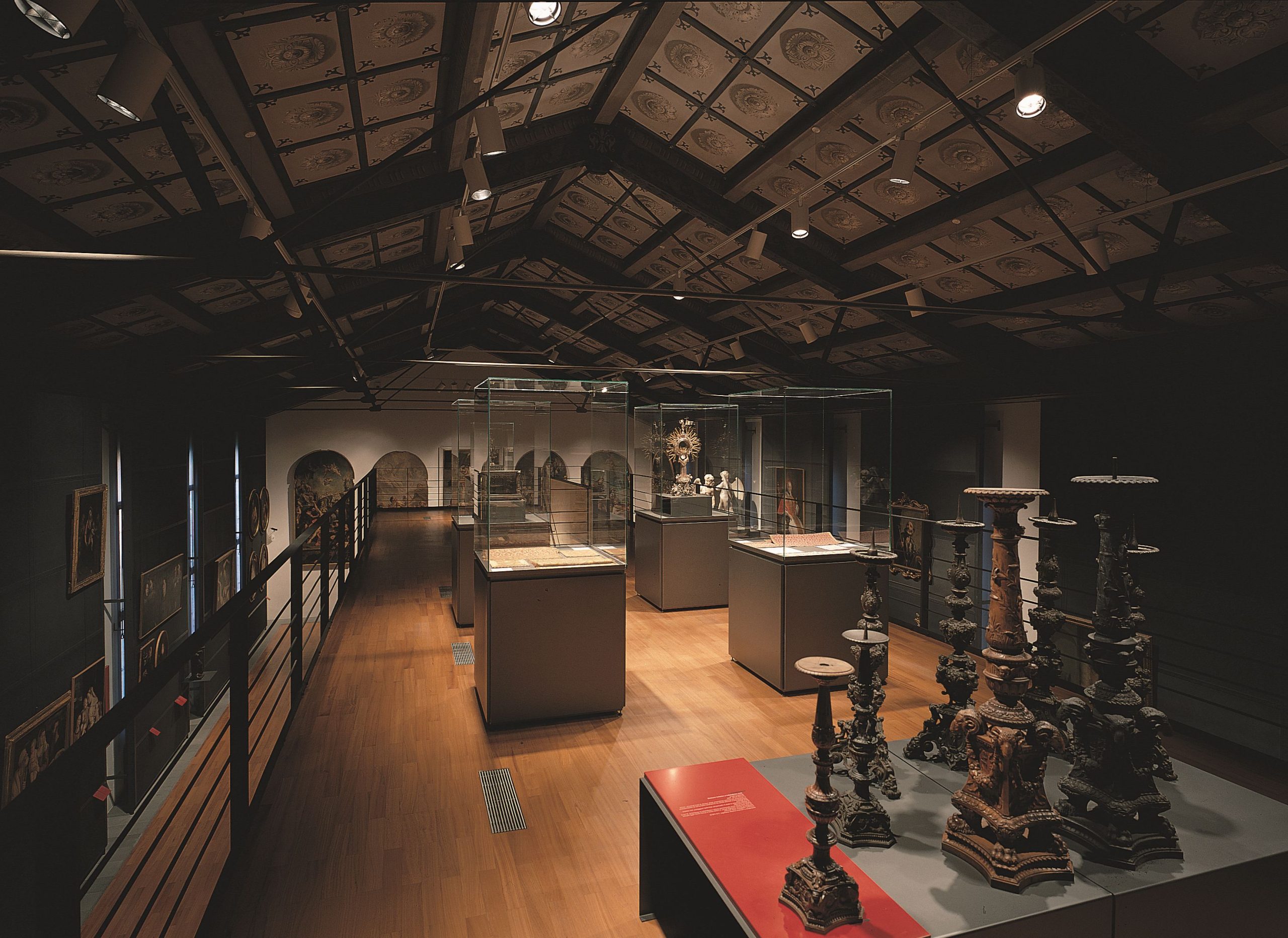
In 1995 it reopened with a new layout, designed to properly display objects that differ in material, technique, provenance and artistic value. The Antoniano Museum preserves the memory of the Basilica’s history and of the changes that, over the centuries, have shaped the life of the shrine where the body of Anthony of Padova is venerated.
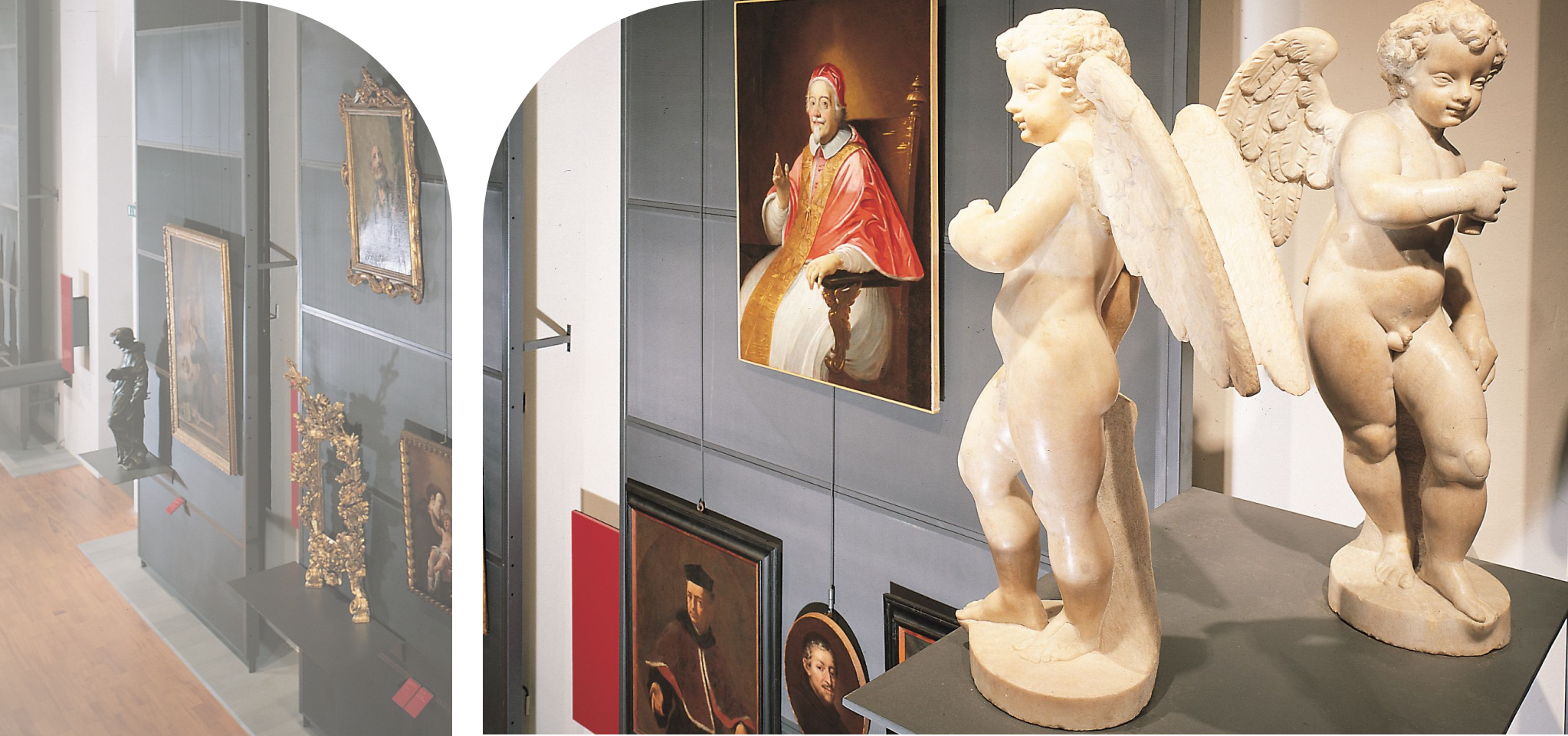
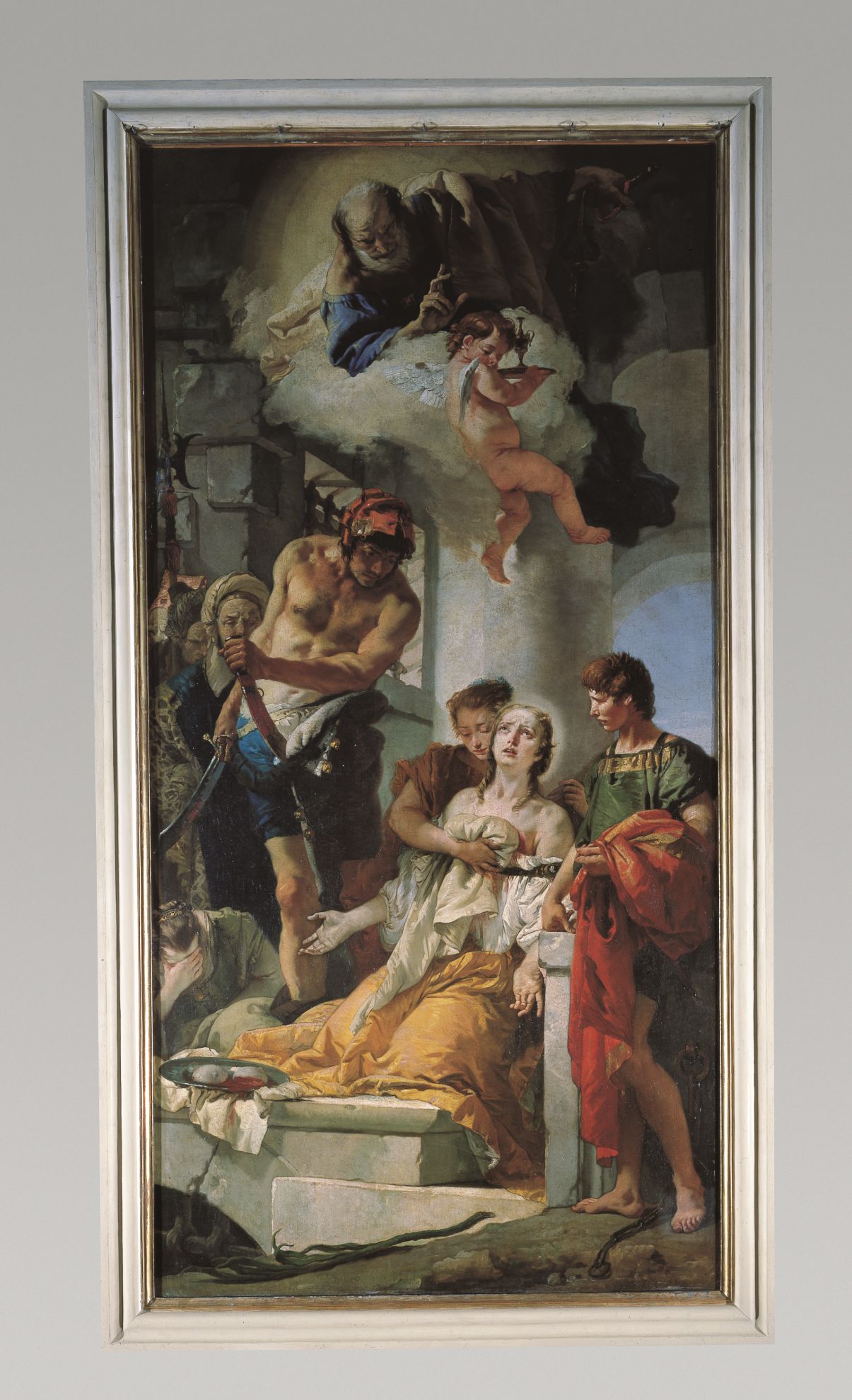
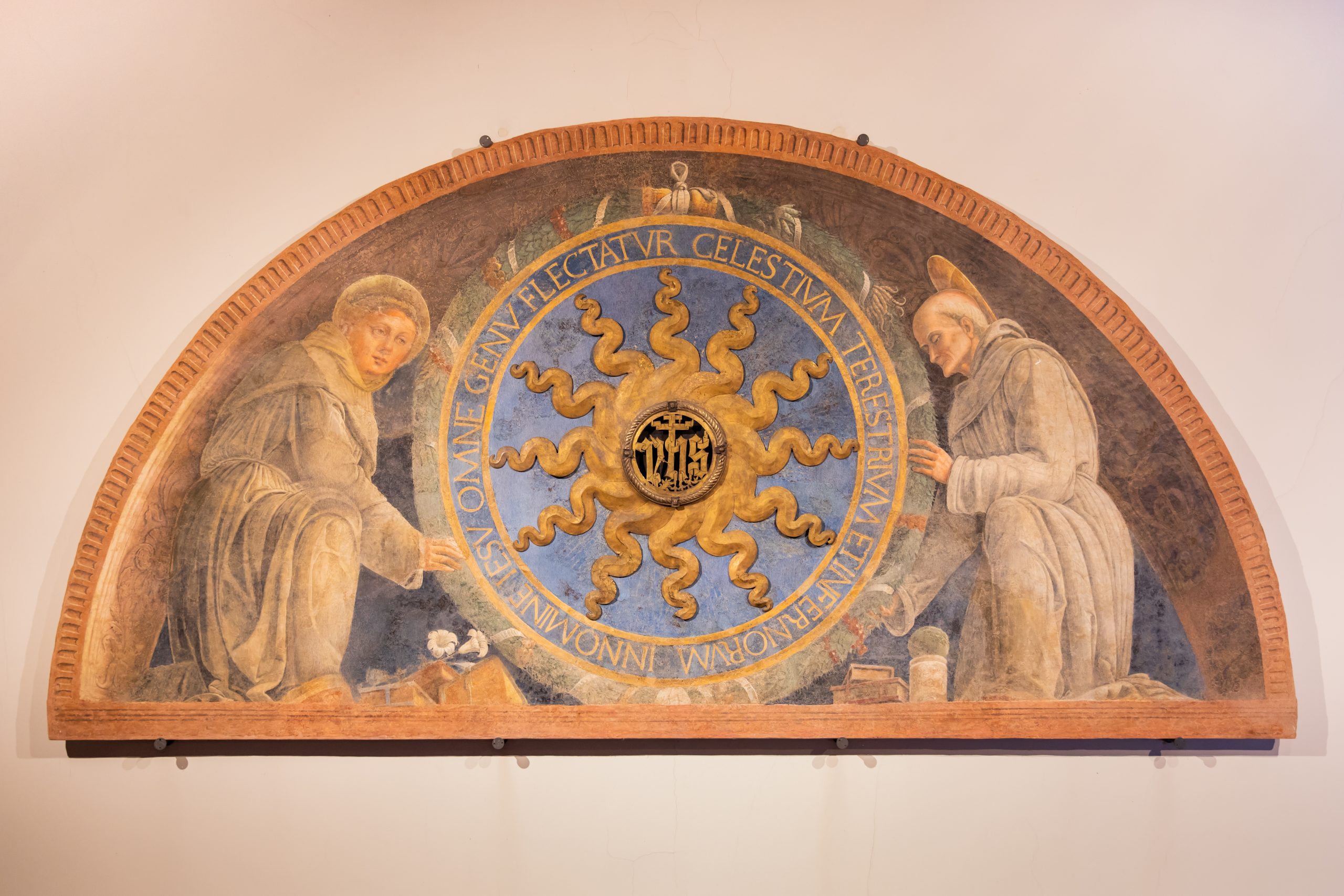
The Museum stands out for the variety and quality of its works: medieval sculptures; fine Renaissance liturgical goldsmithing; detached frescoes, including the remarkable lunette frescoed by Andrea Mantegna; altarpieces by leading artists such as Giambattista Tiepolo; and a series of textile vestments from the fifteenth century onward, produced by outstanding European workshops.